
Featured, Press Release, Statement

FIDA-Kenya puts women, family arbitration, and access to justice at the centre of Africa’s ADR debate.

At TAKUKA 2026, FIDA-Kenya challenged the continent’s dispute-resolution establishment to move beyond expanding arbitration and mediation as technical processes and confront who leads them, who can access them, and how vulnerable people are protected.

KWALE, KENYA – The future of alternative dispute resolution in Africa cannot be determined solely by questions of procedure, enforceability and commercial efficiency. It must also answer a more fundamental question: does the system deliver justice for the people whose disputes most deeply shape their lives?
 
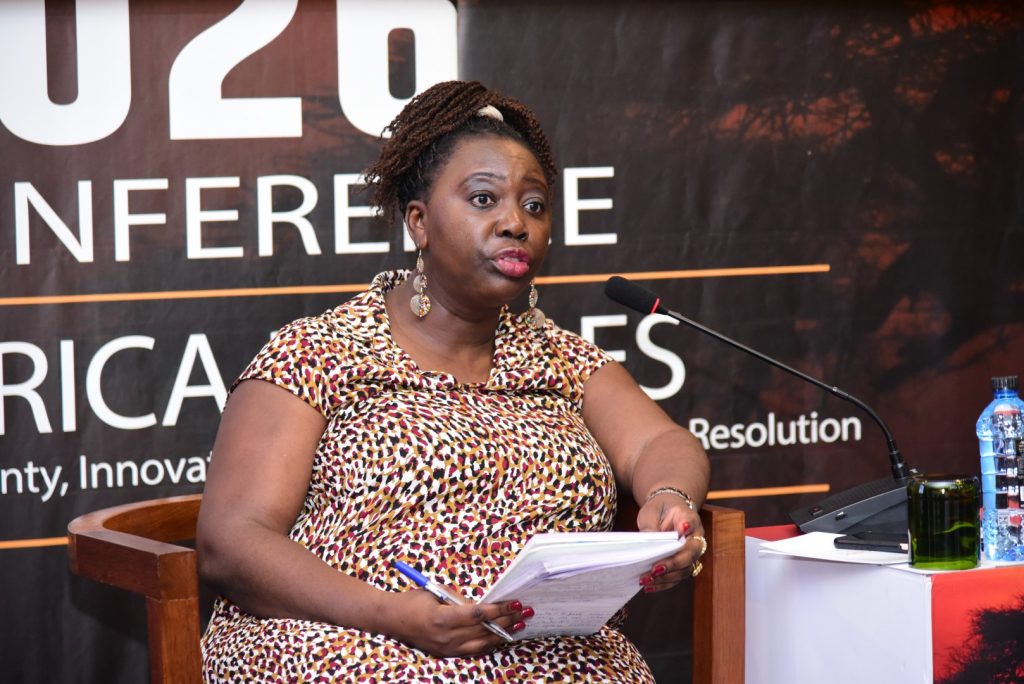
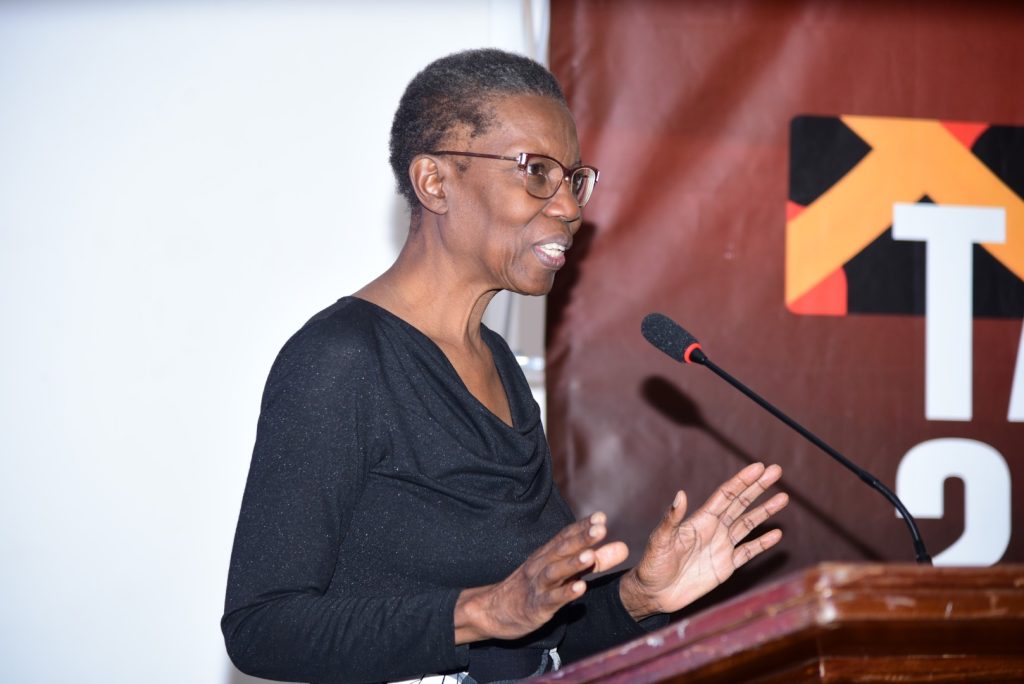
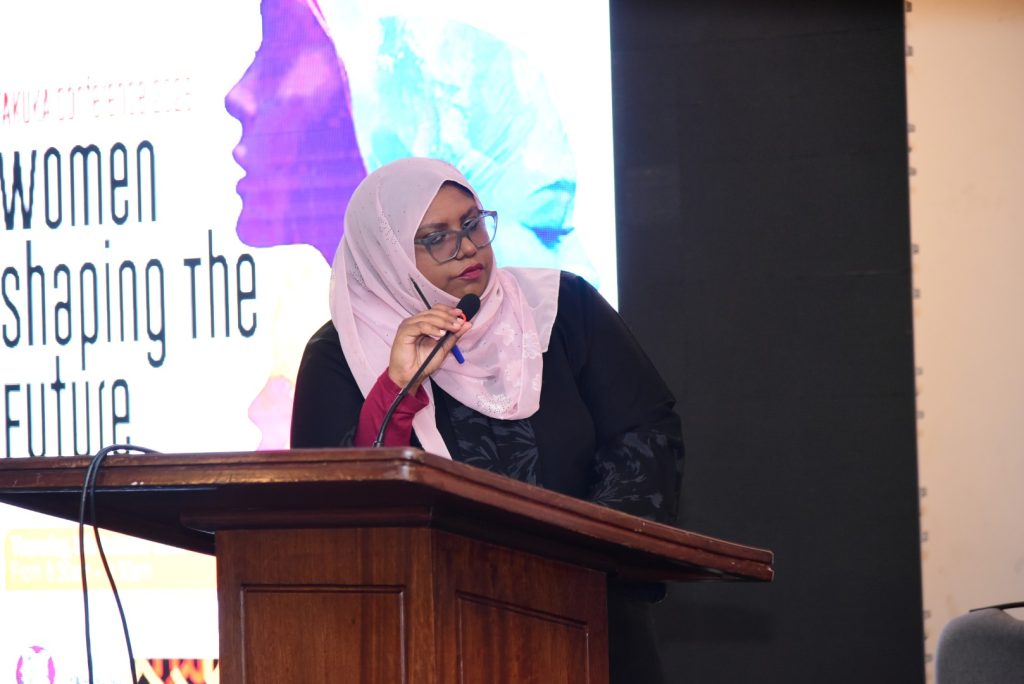
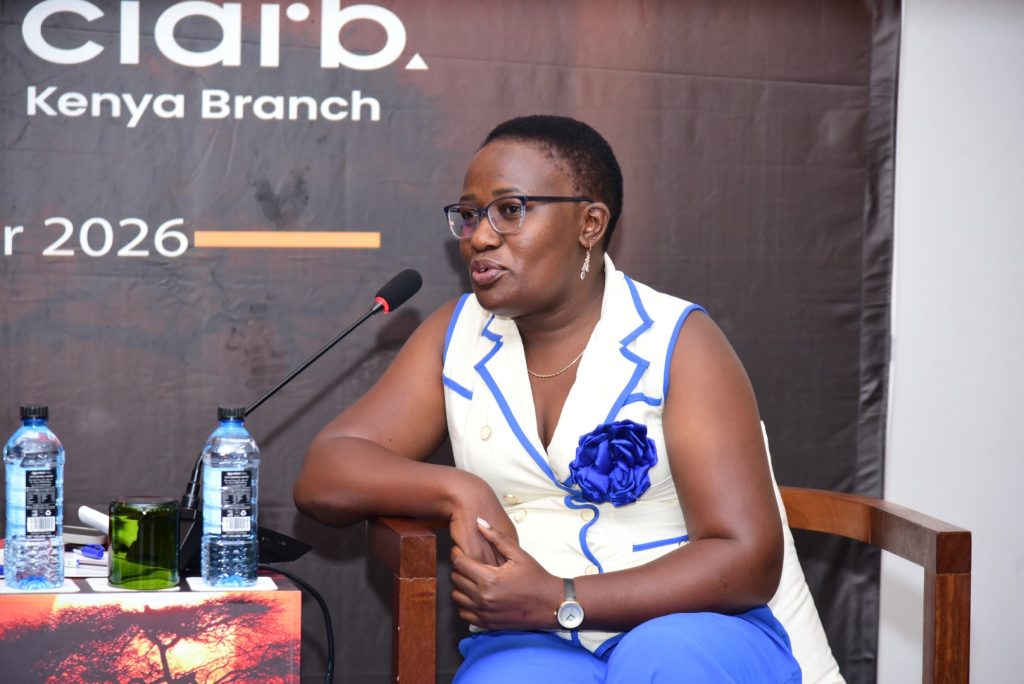
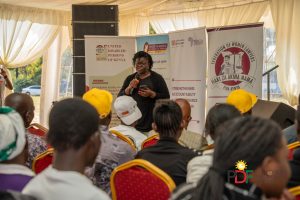
This is the challenge FIDA-Kenya advanced at the TAKUKA Conference 2026 by Ciarb Kenya in Diani (Kwale County), where the organisation placed women’s leadership, family disputes, community justice, and safeguards for survivors at the centre of a continental conversation on the future of dispute resolution. FIDA-Kenya is a Conference Partner for the conference’s dedicated panel, “Women Shaping the Future of Dispute Resolution in Africa.” The panel examined family-law arbitration, innovative mediation, community-based justice and more inclusive approaches to access to justice.
 
Its intervention comes against the backdrop of a conference bringing together senior figures from the judiciary, legal profession, government, business and the wider dispute-resolution community under the theme “Africa Decides: Sovereignty, Innovation and the Future of Dispute Resolution.” 
But for FIDA-Kenya, the question is not simply how Africa can build more sophisticated mechanisms for resolving disputes. It is how those mechanisms can be designed to work for women, children and families while preserving the protections that formal justice systems have painstakingly developed.

A case for family arbitration-with safeguards

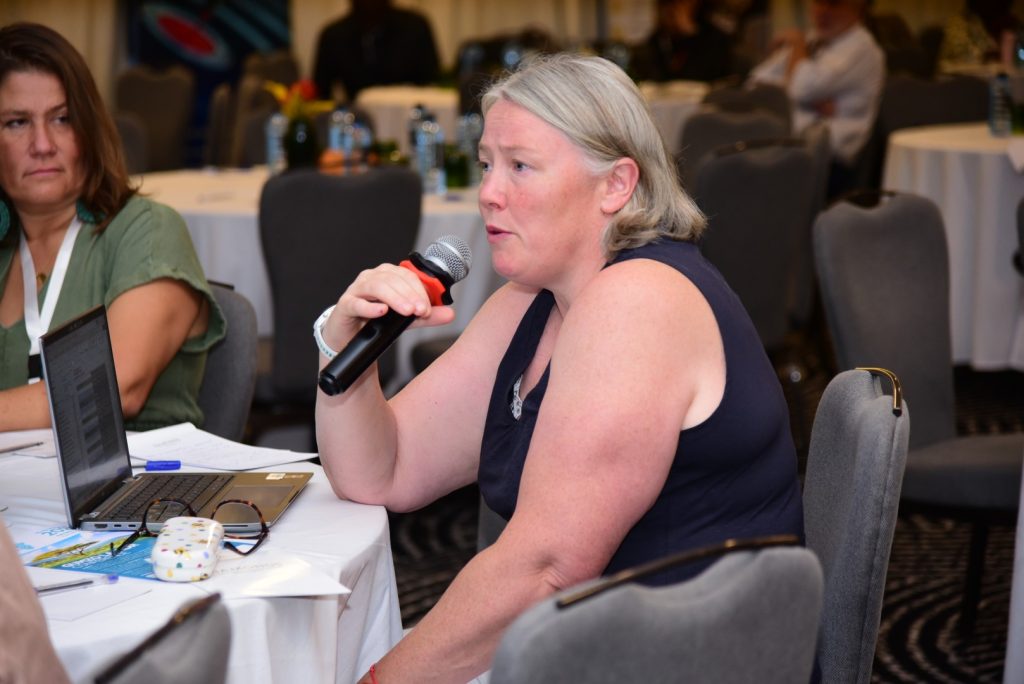
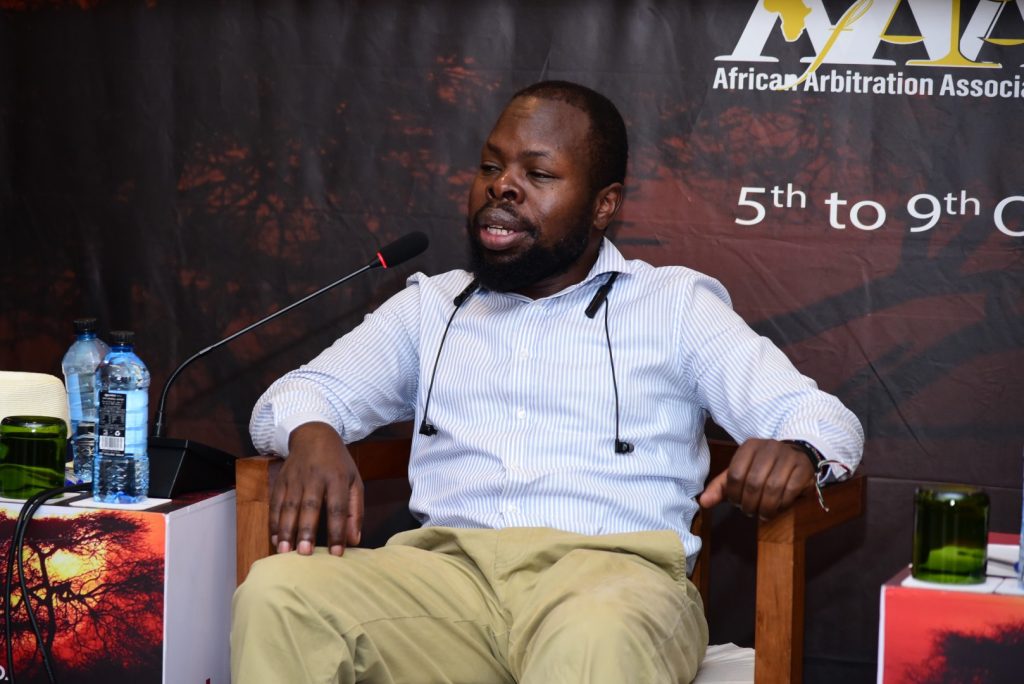
One of the most consequential questions raised during the FIDA-Kenya-sponsored panel is whether arbitration can have a legitimate and carefully regulated place in family disputes. Advocate Eunice Lumallas argued that the constitutional status of the family should not be understood as placing family disputes beyond the reach of alternative dispute resolution.

Eunice Lumallas
Lawyer

“The Constitution protects the family as a foundation of social order. Family matters can actually be subjected to arbitration. We could learn best practices from the UK, which has an Institute of Family Law Arbitration with specialised training on safeguarding.”

This proposition carries implications well beyond the mechanics of arbitration. Family disputes frequently involve unequal power dynamics and consequences that can extend across generations. Any attempt to introduce arbitration into this terrain therefore raises questions of capacity, consent and safeguarding alongside questions of speed and efficiency. Advocate Ochiel Dudley pushed the conversation further, arguing that Africa has an opportunity to develop a new area of dispute-resolution practice rather than simply importing established models.

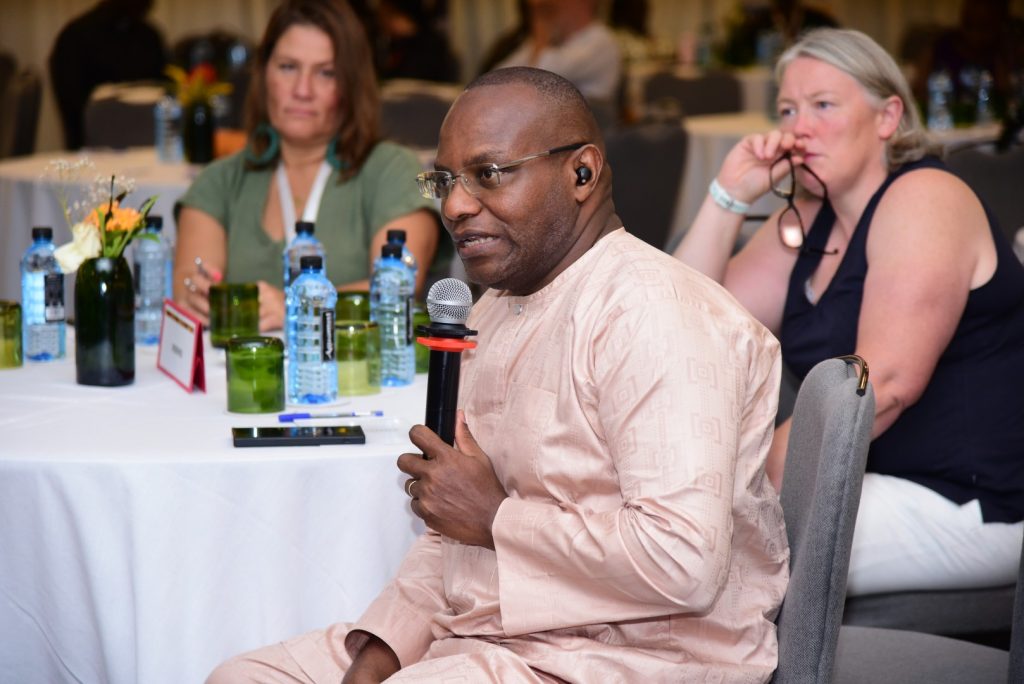
“So far no African Jurisdiction allows for family arbitration. I am committed to support pioneering family arbitration in Africa. We need to escalate this to the African chief justice forum to have family arbitration embedded within our courts as well.”

Ochiel Dudley
Lawyer
The idea places African institutions-not merely international arbitration bodies-at the heart of determining what family arbitration could look like on the continent. It also reflects the broader argument running through TAKUKA 2026: that Africa should have greater agency in shaping its own dispute-resolution architecture. The conference itself was structured around that question, moving from sovereignty and the “seat problem” to innovation, artificial intelligence, adjudication and, ultimately, the institutional ecosystem required to make dispute resolution work across borders.

Kenya’s mediation experience offers a foundation.

For FIDA-Kenya Board Member Lucy Mulago, the conversation about innovation should not obscure the substantial progress Kenya has already made.  She pointed to the growth of Court-Annexed Mediation over the past decade, while acknowledging that important gaps remain.
Lucy Mulago
FIDA-Kenya Board Member

“Court-Annexed Mediation has made significant progress in the last 10 years post the mediation guidelines. Although there have been some gaps, Kenya can borrow some best practices from the UK and Rwanda that provide for mandatory screenings for all civil matters filed in court for referral to mediation at first instance.”

Ms Mulago’s intervention shifts the debate from whether mediation works to how systems can identify appropriate cases earlier and make mediation a meaningful first option rather than an intervention that occurs only after litigation has already consumed substantial time and resources. That distinction matters particularly in a justice system where delay can itself become a barrier to justice. For FIDA-Kenya, however, expanding mediation cannot mean abandoning the safeguards that protect people in vulnerable situations.

The line that must not be crossed

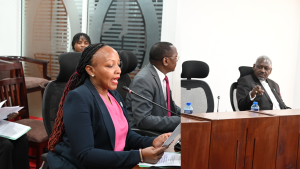
FIDA-Kenya Chairperson Christine Kungu placed that concern at the heart of the organisation’s position.

“FIDA-Kenya is committed to capacity strengthening more and more AJS Champions to give life to Article 159 (2). It is key to strengthen linkage between the autonomous, third-party AJS mechanisms and the court-annexed AJS for consistency, especially not to have SGBV matters compromised.”

Christine Kungu
FIDA-Kenya Chairperson
Her remarks underscore a central tension in expanding alternative justice systems: decentralising dispute resolution can bring justice closer to communities, but proximity alone does not guarantee fairness.  For gender-based violence matters, the stakes are particularly high. A process designed to resolve disputes quickly can become harmful if it treats violence, coercion or profound power imbalances as though they were ordinary disagreements between parties with equal bargaining power.
 
The task, therefore, is not to choose between formal courts and alternative justice mechanisms. It is to construct an ecosystem in which different mechanisms are connected, appropriately regulated and capable of recognising when a matter requires the protections and authority of the formal justice system. That is the significance of FIDA-Kenya’s emphasis on strengthening the relationship between autonomous alternative justice mechanisms and Court-Annexed Alternative Dispute Resolution.

Women must not remain merely users of justice.

The panel also confronted another imbalance that has long characterised dispute resolution: women may be disproportionately affected by disputes while remaining underrepresented among the people who determine how those disputes are resolved. FIDA-Kenya Board Member Ilham Hisham argued that changing that equation requires moving beyond increasing women’s access to ADR services.
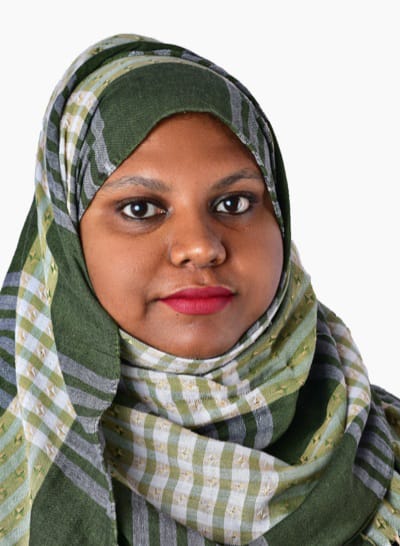
Ilham Hisham
FIDA-Kenya Board Member
“As FIDA-Kenya, we are keen on having as many women as possible not only as users of ADR but also to be empowered to train and lead as the third-party neutrals facilitating timely resolution of disputes.”

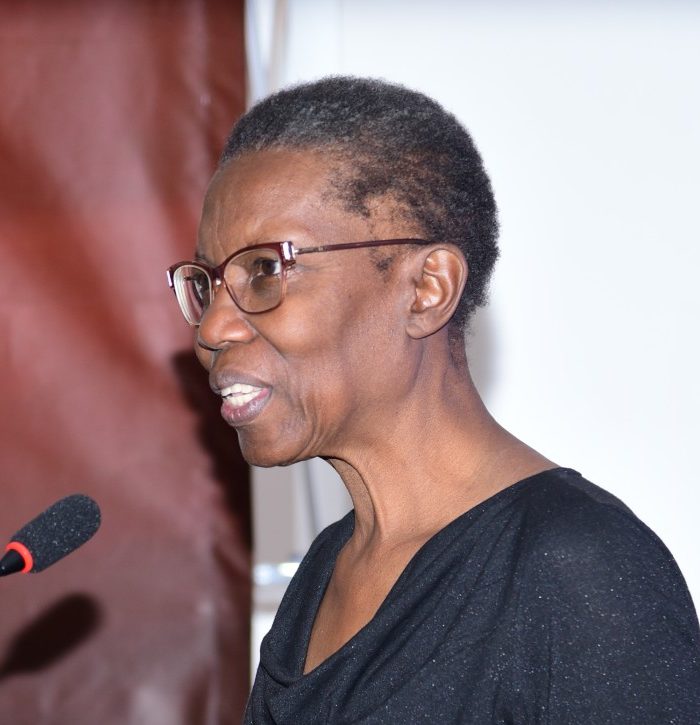
The distinction is important. Representation is not simply a question of numbers. It determines whose experience informs professional standards, whose perspectives shape institutional practice and who occupies positions of authority when parties enter a dispute-resolution process. Lady Justice (RTD) Mary Ang’awa made that case in a direct call for the profession to confront its own gender imbalance:

“Let’s all take the pledge to offer equal representation in every arbitration proceeding. Let’s improve the profile of women in all aspects of arbitration. Let’s have as many women as possible appointed as arbitrators in equal opportunity measures.”

Mary Ang'awa
Lady Justice (RTD)
The challenge is therefore both institutional and cultural: to ensure that women are not only represented among the people seeking justice, but are also visible among the lawyers, mediators, arbitrators, judges, trainers, and institutional leaders defining what justice looks like.

Rwanda’s lesson: build the ecosystem, not just the mechanism

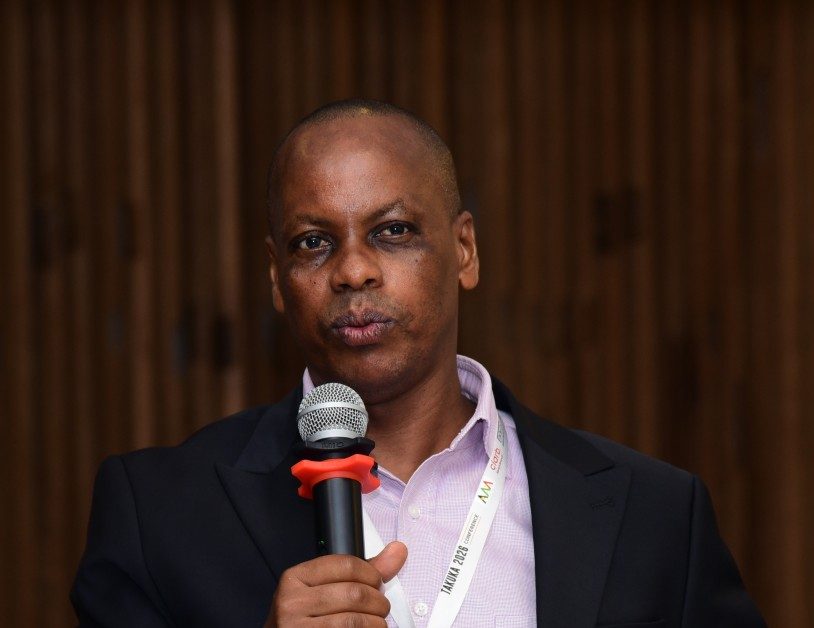
A participant from Rwanda added a regional dimension to the discussion, supporting the prospect of family arbitration while stressing the need for an integrated justice ecosystem.
Participant
TAKUKA Conference

“I totally support the idea of introducing arbitration in family disputes. This will help prevent generational conflicts. We should build an arbitration ecosystem that works with courts to support resolving civil, commercial and family disputes through arbitration.”

That perspective reinforces a central theme of the FIDA-Kenya intervention: arbitration and mediation should not be understood as isolated technical alternatives to litigation.
 
They are components of a wider justice architecture. The conference programme itself reflected this ecosystem approach. Following FIDA-Kenya’s panel, discussions turned to hybrid Med-Arb and Arb-Med processes, community dispute-resolution mechanisms and African customary and alternative justice systems, before moving to institutional collaboration and the relationship between arbitration and the courts.

From participation to influence

FIDA-Kenya’s role at TAKUKA was therefore more than a conference appearance. It was an intervention in a debate about the institutional future of justice in Africa. The organisation’s formal partnership with the Chartered Institute of Arbitrators Kenya Branch and the African Arbitration Association was established around precisely this ambition: to ensure that women’s perspectives and leadership remain central to conversations shaping the future of dispute resolution on the continent.
 
FIDA-Kenya brought to that conversation a perspective rooted in access to justice and women’s rights, but its message extended beyond gender advocacy. It asked the dispute-resolution community to consider the design of systems themselves: whether family disputes can be resolved safely outside conventional litigation; whether mediation can be deployed earlier and more effectively; whether community-based mechanisms can be linked to formal justice without compromising safeguards; and whether women can move from being 
predominantly consumers of justice to becoming architects of its delivery.
 
That agenda is particularly consequential as African countries confront increasingly complex disputes across families, communities, commerce and borders. The continent does not merely need more dispute-settlement mechanisms. It needs mechanisms that command public confidence, respect constitutional values and work across the realities of African societies.
 
For FIDA-Kenya, that means an alternative justice system that is accessible without being casual about rights; innovative without uncritically importing models; community-based without tolerating harmful practices; and efficient without sacrificing fairness. The deeper proposition emerging from Kwale was simple but demanding: Africa’s future dispute-resolution systems will be judged not only by how quickly they settle disputes, but by whose interests they protect, who gets to lead them and whether they leave the most vulnerable safer than they found them.