Young voters urged to shape Kenya’s 2027 elections beyond the ballot
-
by
 Comms Team
 Comms Team
FIDA-Kenya’s university dialogue in Kisumu brought together students and national institutions to discuss women’s political leadership, digital democracy, online violence, and young people’s role in shaping elections.
KISUMU, October 8, 2026 – Young people are being asked to do more than just vote in Kenya’s 2027 General Election. They are encouraged to question leaders, learn about issues in their communities, and make informed decisions about the country’s future.
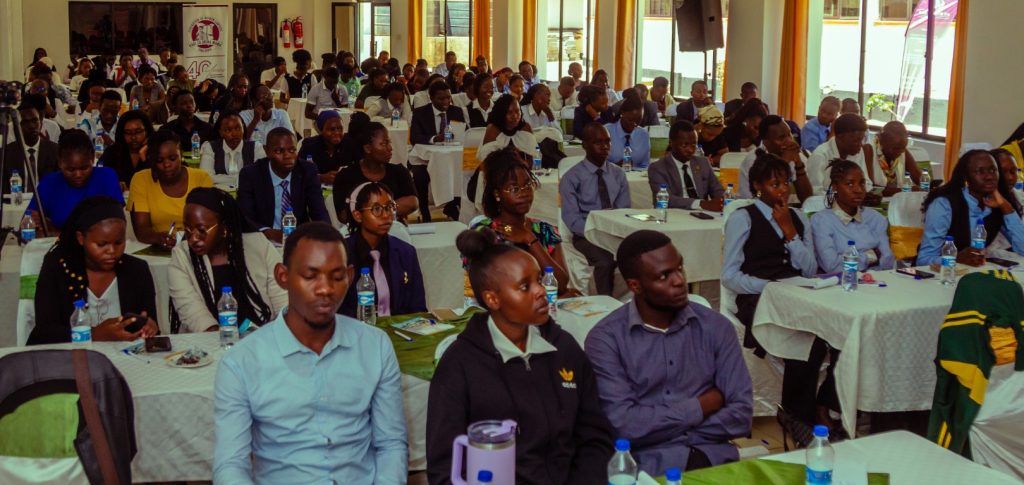
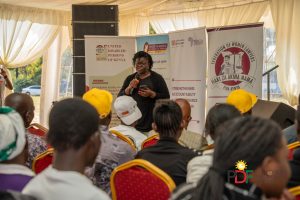
This was among the messages emerging from a university dialogue organised by FIDA-Kenya in Kisumu on Thursday. The engagement brought together students from Maseno University, KCA University, the University of Nairobi, Uzima University and Great Lakes University of Kenya (GLUK), alongside representatives from the National Gender and Equality Commission (NGEC), the National Cohesion and Integration Commission (NCIC) and the Office of the Registrar of Political Parties (ORPP).
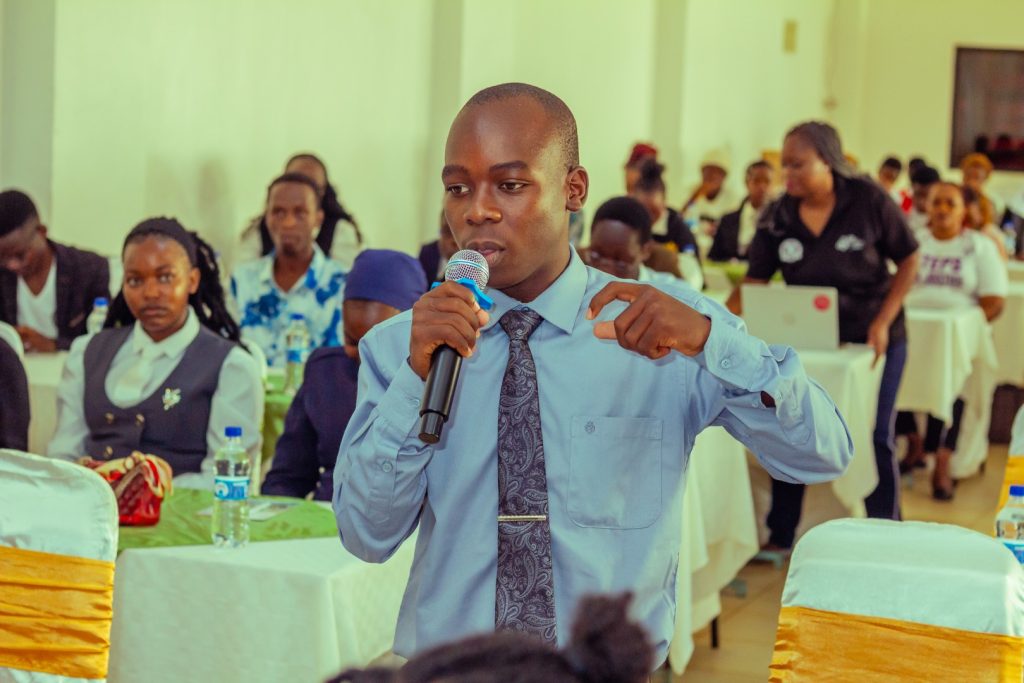
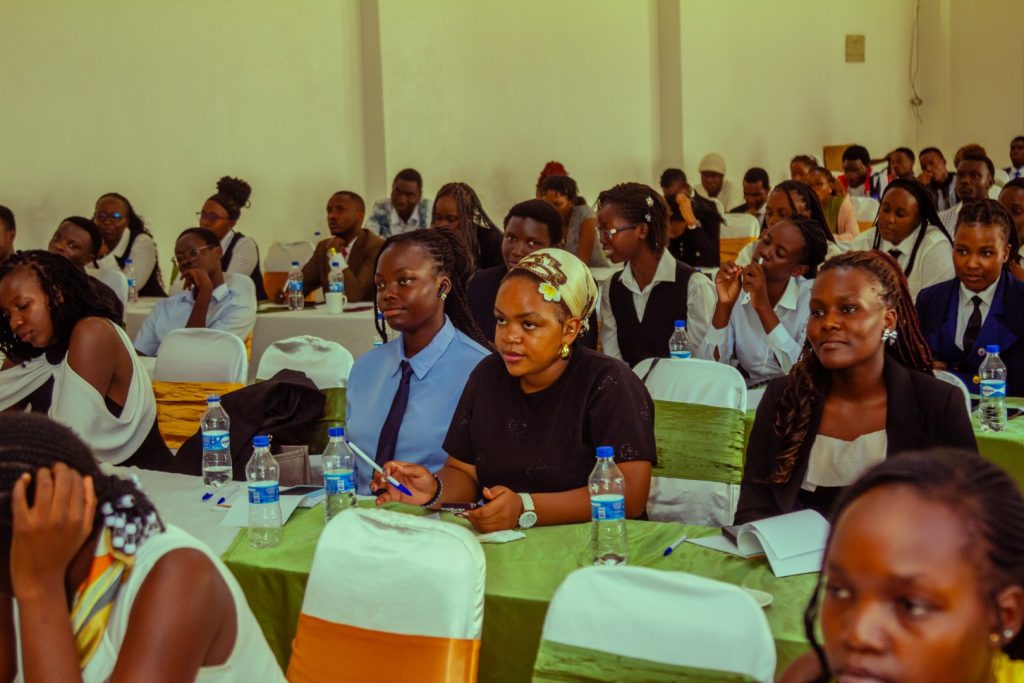
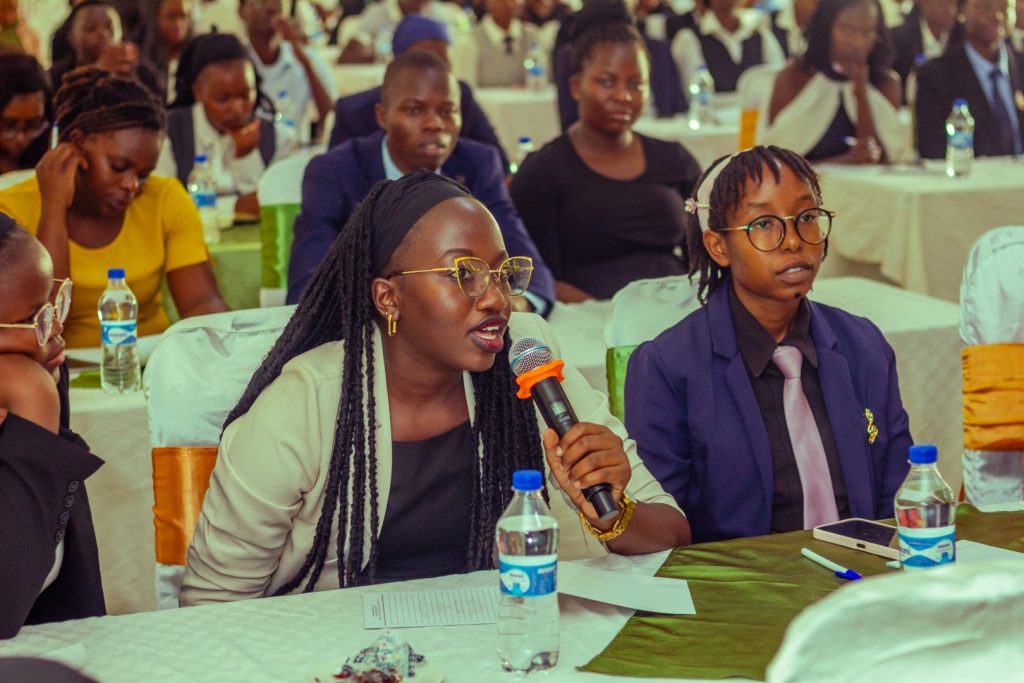
The event, themed around promoting issue-based political engagement, digital democracy, and support for women’s leadership among young voters, looked at the barriers women face in leadership, the risks of technology-driven gender-based violence, and the responsibilities of political participation.
Young people must be more than political mobilisers
Article 1 of Kenya’s Constitution says that all power belongs to the people, who can use it directly or through elected leaders. The dialogue explored what this means for young people, asking whether they are truly encouraged to take part in political decisions or are seen as numbers during elections. Students asked about women’s representation in leadership, how well institutions handle hate speech and political violence, and whether current systems give fair chances to women and young people. The discussion also examined the place of women with disabilities and people from marginalised communities in politics. Students learned that their participation should be part of the broader conversation about inclusion, not separate from women’s leadership and gender equality.
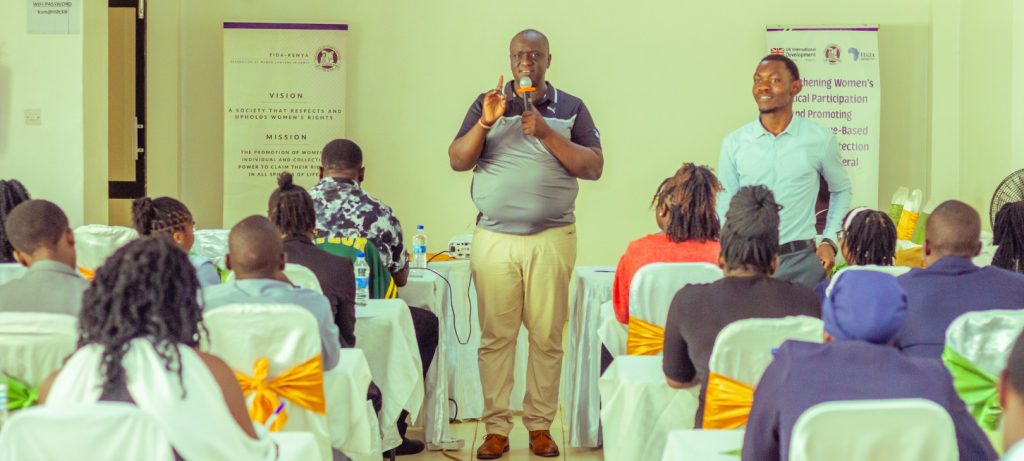
The ORPP representative urged young people to support women running for office, challenge harmful social norms, and engage in politics peacefully. They stressed that being politically active means more than voting-it includes joining political parties, questioning leaders, and helping make decisions in their communities. Students were also advised to think carefully about political mobilisation – who is organising it, why they are being asked to join, what they are being asked to do, who benefits, and what the possible outcomes could be.
Women’s leadership faces barriers beyond the ballot
Women who want to run for office still face challenges beyond official election rules. Cultural expectations, discrimination, intimidation, and harassment can make it harder for them to campaign, share their views, and compete fairly with men. The dialogue examined these barriers and discussed women’s representation in leadership. Students asked why so few women hold top political roles and what can be done to make participation fairer. NGEC’s focused on the need for gender equality and inclusion, especially for groups that still face discrimination or exclusion. Women, young people, people with disabilities, and marginalised communities should have chances to take part in public life and have their concerns heard in decisions that affect them.
Digital spaces can silence women in politics
Political differences should not lead to violence
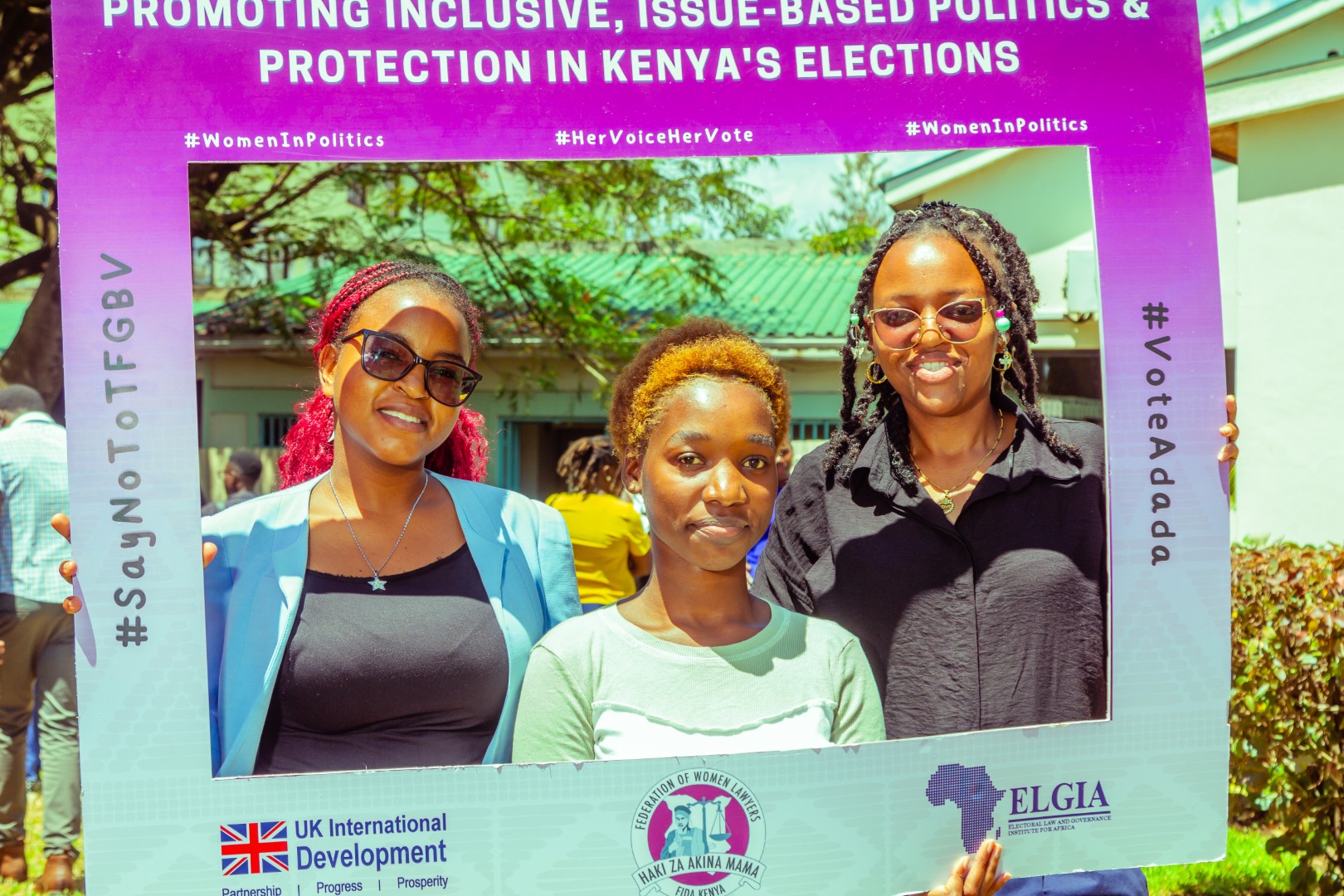
Social media gives young people new ways to organise, discuss public issues, and connect with political leaders. However, these platforms can also expose women to abuse meant to scare them or keep them from taking part in public life. Technology-facilitated gender-based violence (TFGBV) was a major topic in the discussion. Participants talked about different types of digital abuse, such as online threats, cyberstalking, impersonation, hacked accounts, sharing private images, and using fake or manipulated content like deepfakes.
This kind of abuse can go beyond the internet. It can hurt a woman’s reputation, put her at risk of threats and humiliation, and make her hesitate to speak out or run for office. The group stressed the need to make digital political spaces safer, especially since more young people use online platforms for political information, campaigning, and public discussions.
Students were also reminded to be careful about what they read and share online. Misinformation, disinformation, and hate speech can twist political debates and create more division, especially when people forward messages without checking them first.
The NCIC representative stressed the importance of national unity, responsible political involvement, and handling differences without causing hostility. Young people were encouraged to respect different opinions, check information before sharing it, and avoid getting involved in activities that spread ethnic hatred, intimidation, or violence. The group agreed that political disagreements are a normal part of democracy. But these differences should never be used as an excuse to threaten others, attack communities, or involve young people in causing harm.
Students asked about how institutions are held accountable and how they respond to hate speech and political violence. These questions showed that people expect institutions in charge of equality, unity, and politics to help protect democracy. The discussion also encouraged young people to think about the impact of their political choices, both online and offline. Being active in politics is more than supporting a candidate or joining a campaign-it means understanding the issues, checking facts, and taking responsibility for your actions.