
FIDA-Kenya puts women, family arbitration, and access to justice at the centre of Africa’s ADR debate.
-
by
Comms Team
At TAKUKA 2026, FIDA-Kenya challenged the continent’s dispute-resolution establishment to move beyond expanding arbitration and mediation as technical processes and confront who leads them, who can access them, and how vulnerable people are protected.
A case for family arbitration-with safeguards
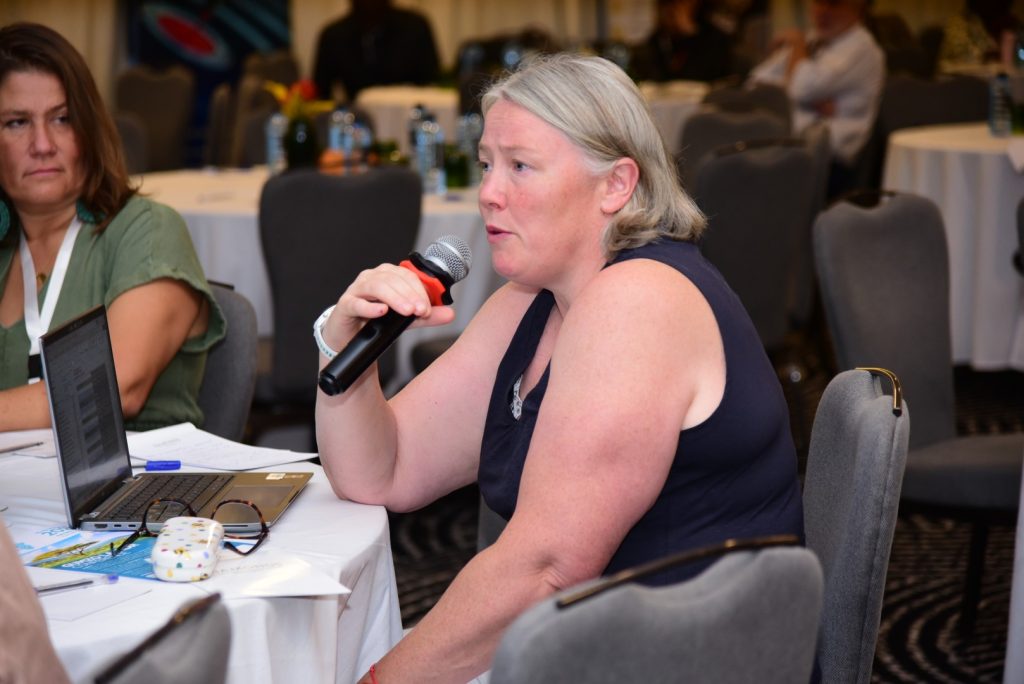
One of the most consequential questions raised during the FIDA-Kenya-sponsored panel is whether arbitration can have a legitimate and carefully regulated place in family disputes. Advocate Eunice Lumallas argued that the constitutional status of the family should not be understood as placing family disputes beyond the reach of alternative dispute resolution.
“The Constitution protects the family as a foundation of social order. Family matters can actually be subjected to arbitration. We could learn best practices from the UK, which has an Institute of Family Law Arbitration with specialised training on safeguarding.”
“So far no African Jurisdiction allows for family arbitration. I am committed to support pioneering family arbitration in Africa. We need to escalate this to the African chief justice forum to have family arbitration embedded within our courts as well.”
Kenya’s mediation experience offers a foundation.
“Court-Annexed Mediation has made significant progress in the last 10 years post the mediation guidelines. Although there have been some gaps, Kenya can borrow some best practices from the UK and Rwanda that provide for mandatory screenings for all civil matters filed in court for referral to mediation at first instance.”
The line that must not be crossed
“FIDA-Kenya is committed to capacity strengthening more and more AJS Champions to give life to Article 159 (2). It is key to strengthen linkage between the autonomous, third-party AJS mechanisms and the court-annexed AJS for consistency, especially not to have SGBV matters compromised.”
Women must not remain merely users of justice.
“As FIDA-Kenya, we are keen on having as many women as possible not only as users of ADR but also to be empowered to train and lead as the third-party neutrals facilitating timely resolution of disputes.”
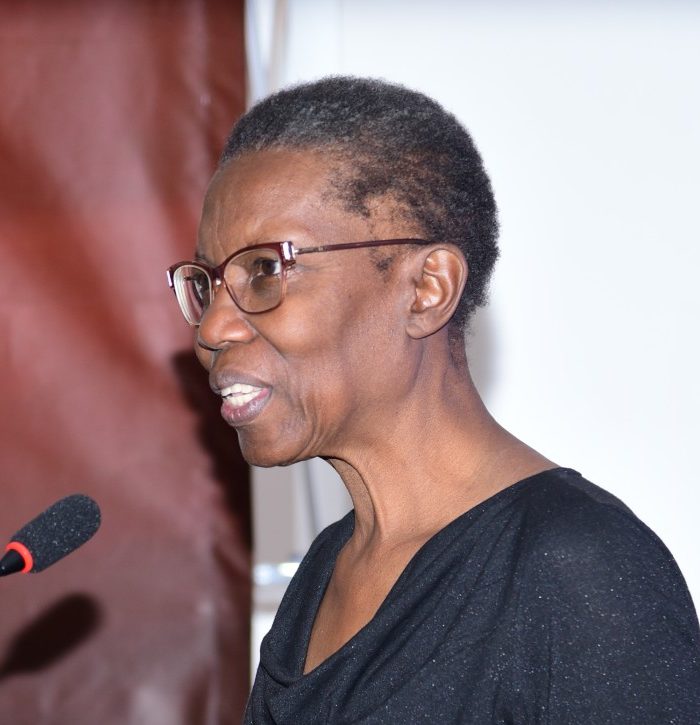
The distinction is important. Representation is not simply a question of numbers. It determines whose experience informs professional standards, whose perspectives shape institutional practice and who occupies positions of authority when parties enter a dispute-resolution process. Lady Justice (RTD) Mary Ang’awa made that case in a direct call for the profession to confront its own gender imbalance:
“Let’s all take the pledge to offer equal representation in every arbitration proceeding. Let’s improve the profile of women in all aspects of arbitration. Let’s have as many women as possible appointed as arbitrators in equal opportunity measures.”
Rwanda’s lesson: build the ecosystem, not just the mechanism
“I totally support the idea of introducing arbitration in family disputes. This will help prevent generational conflicts. We should build an arbitration ecosystem that works with courts to support resolving civil, commercial and family disputes through arbitration.”