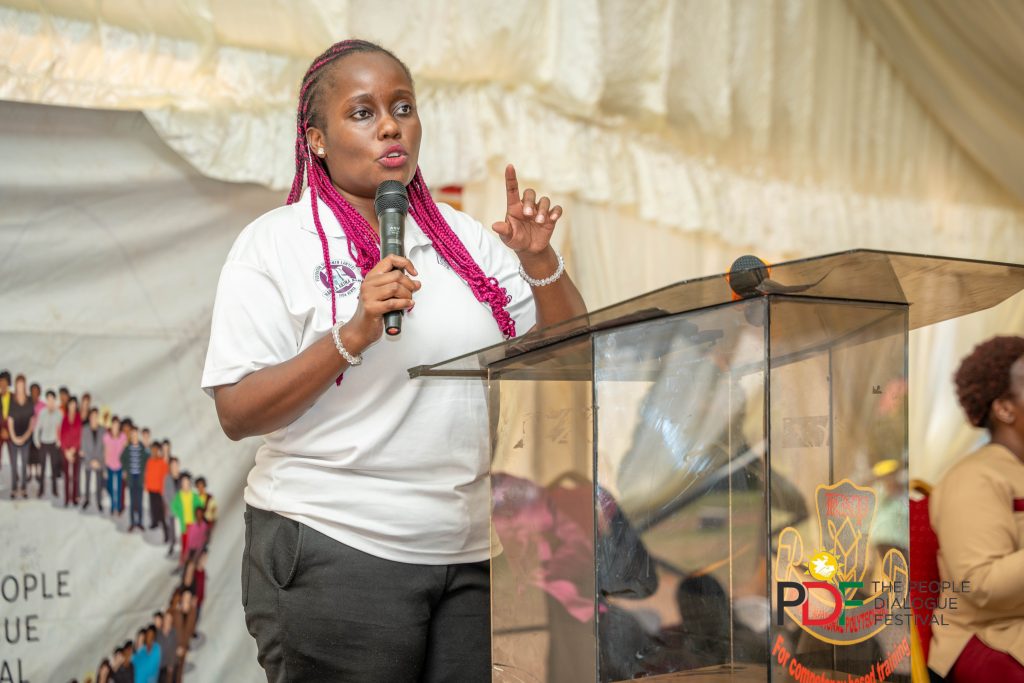
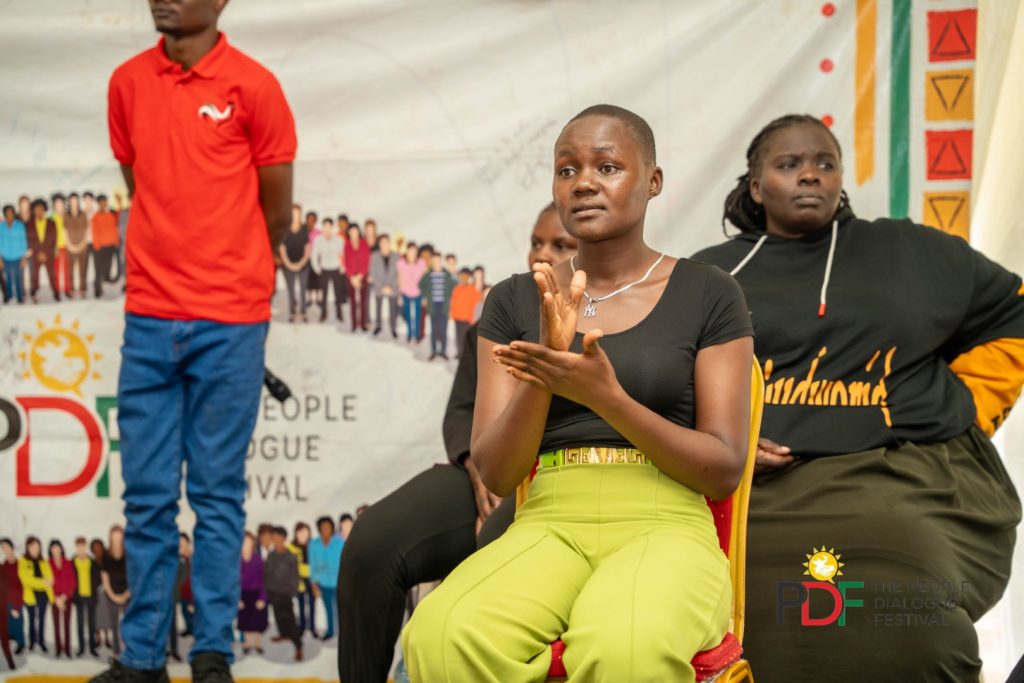
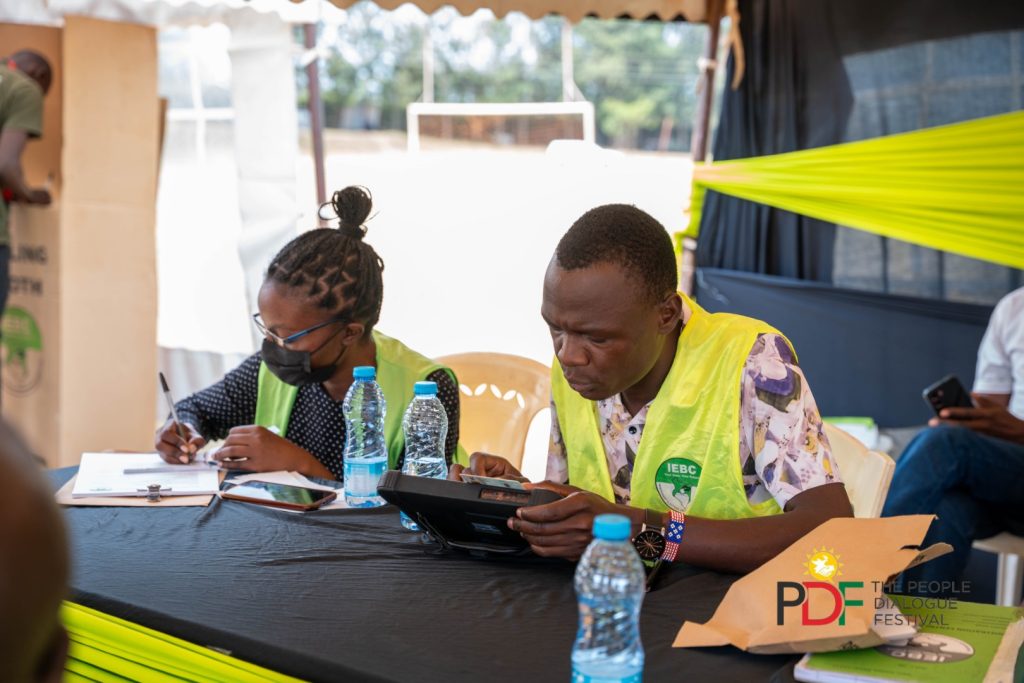
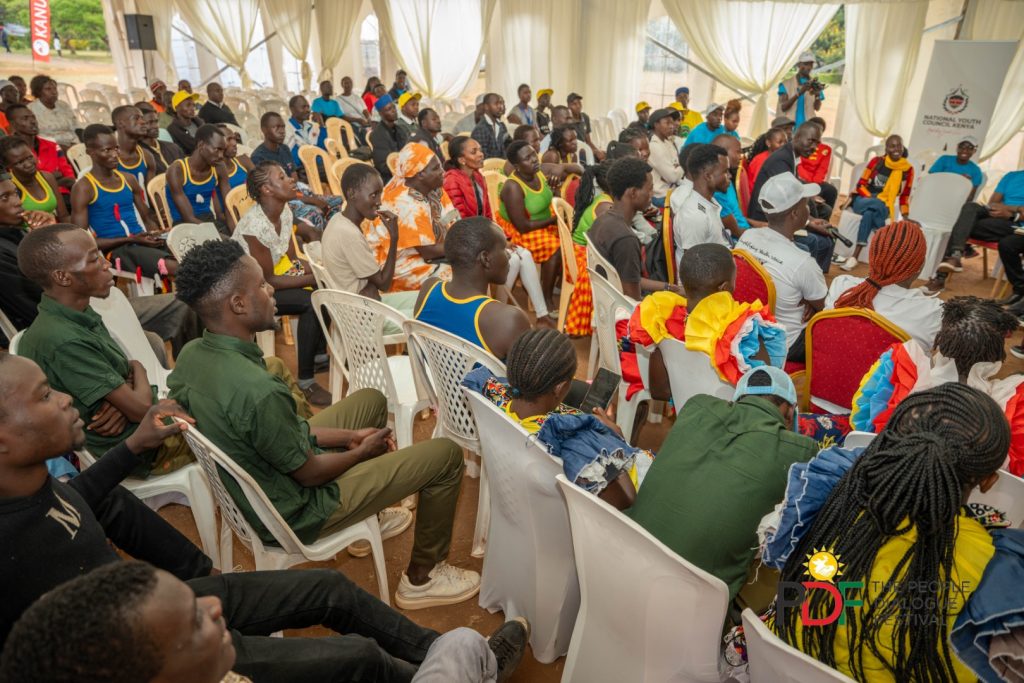
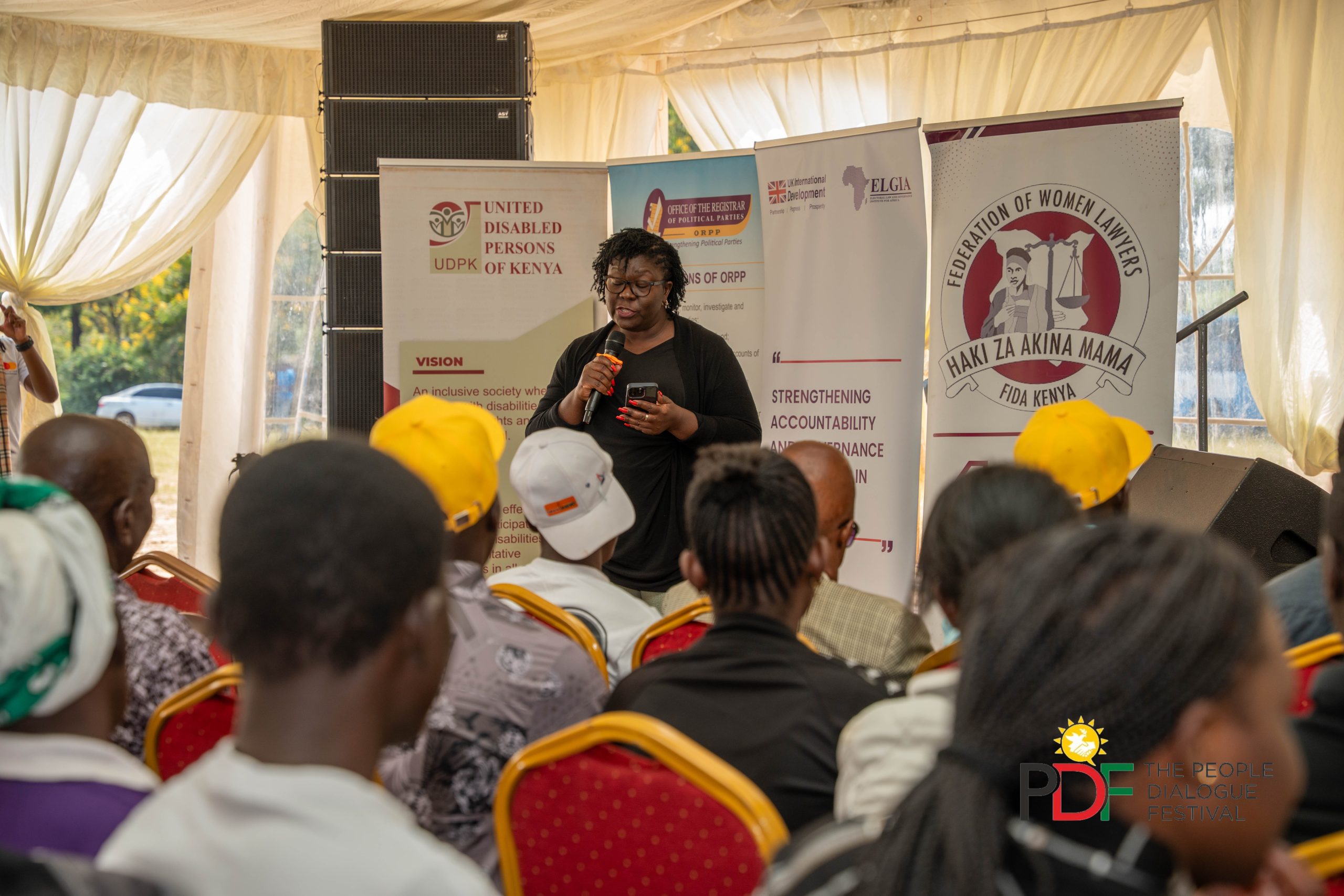
KITALE, TRANS NZOIA COUNTY – “Protecting people from technology-facilitated violence is not just about safeguarding individual rights; it is about strengthening democracy by ensuring that political engagement is driven by ideas, policies, and accountability, rather than fear and intimidation.” These were the words of Ms Virginia Kibunja (the Policy and Advocacy Program Officer at FIDA-Kenya) at the start of the People’s Dialogue Forum (PDF), which ran from July 2-3, 2026 in Kitale, Trans Nzoia County.
As Kenya uses more digital tools in politics and government, another serious challenge is growing online. Women who want to take part in politics and leadership often face intimidation, harassment, false information, and abuse on digital platforms. These actions aim to silence them before they even get a chance to run for office. This growing problem put the Federation of Women Lawyers in Kenya (FIDA-Kenya) at the heart of the 2026 People’s Dialogue Festival (PDF) in Kitale, where it led a discussion on inclusion and technology-based violence against women in elections.
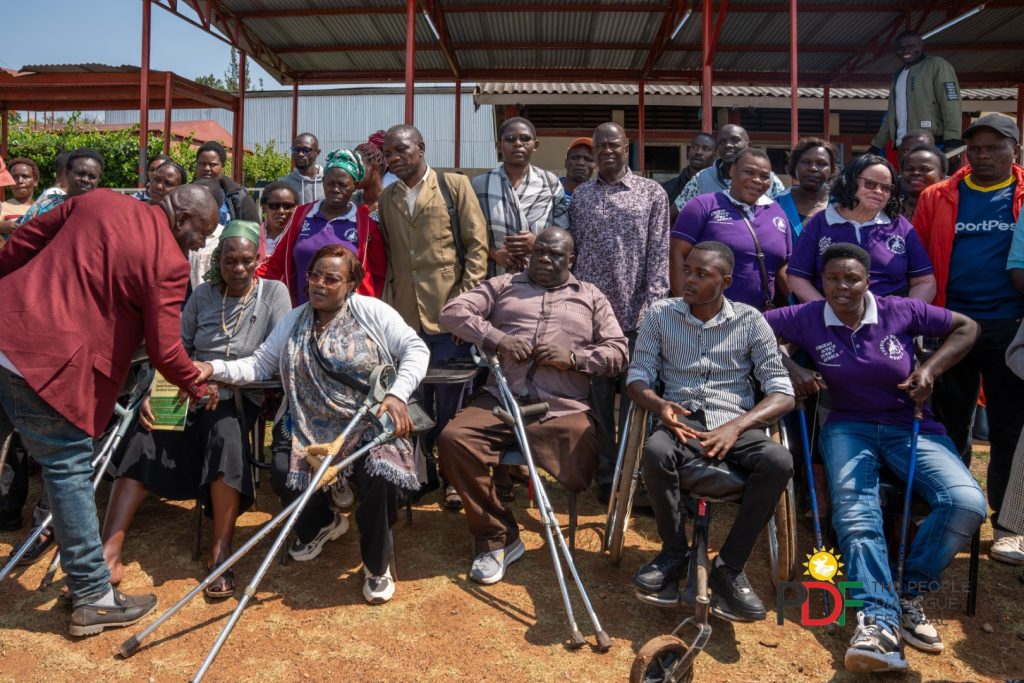
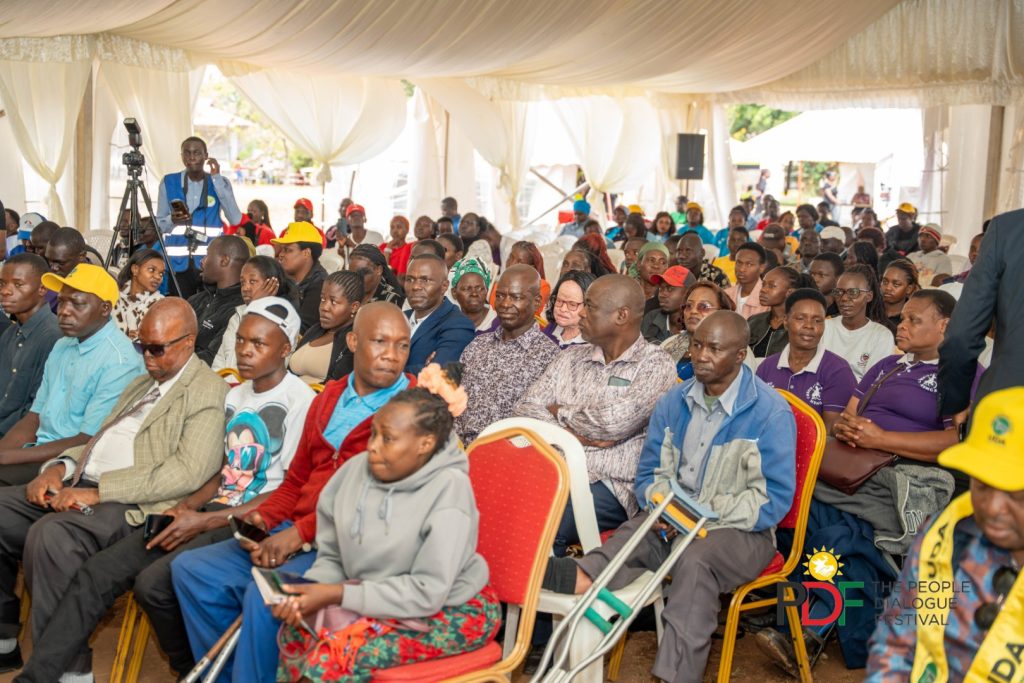
The event focused on promoting inclusive leadership and democracy. It brought together women leaders, youth, people with disabilities, political parties, civil society, government officials, development partners, academics, the media, and members of the public to look at what prevents people from fully participating in Kenya’s democracy.
For FIDA-Kenya, the discussion went beyond highlighting the problem. It was about equipping citizens and institutions with practical tools to protect women’s democratic rights in an increasingly digital world. “Democracy cannot thrive where women are intimidated into silence,” was the central message that echoed throughout the session.
For many years, violence against women in politics has largely been understood in physical terms. However, the rapid growth of social media and online political engagement has created new battlegrounds where abuse can spread instantly and anonymously.
Women political aspirants, elected leaders, activists, and human rights defenders now face coordinated online harassment, cyberbullying, hate speech, misinformation, impersonation, non-consensual sharing of personal content, and threats intended to undermine their credibility and discourage public participation. These attacks are not simply personal assaults – they are attacks on democracy itself.
“When women withdraw from political participation because digital spaces have become unsafe, democracy loses diverse voices and citizens lose representative leadership,” Ms Kibunja said during the engagement. The PDF provided an opportunity to reframe Technology-Facilitated Violence Against Women not merely as an online safety issue, but as a governance, constitutional, and human rights concern requiring coordinated action from public institutions, political parties, technology actors, and citizens.
Beyond Conversation to Action
Rather than limiting its participation to dialogue, FIDA-Kenya used the forum to provide participants with practical advocacy resources. The organisation disseminated its Policy Brief on Technology-Facilitated Violence Against Women, offering stakeholders evidence-based recommendations to strengthen legal protections, institutional responses, and public awareness. Participants also received information designed to improve understanding of how digital violence manifests during electoral processes and the measures required to prevent and respond to it. The policy brief encourages stronger implementation of existing legal and constitutional safeguards while calling for enhanced accountability among electoral actors, government agencies, digital platforms, and political parties.
Inclusion Means More Than Representation
This PDF edition coincided with thirty years since the adoption of the Beijing Declaration and Platform for Action, a milestone that prompted reflection on the progress made (and the work still ahead) in achieving gender equality. Despite Kenya’s progressive Constitution and various legal reforms, women continue to face structural barriers that limit equal participation in leadership and governance.
These challenges include unequal access to political resources, discrimination, electoral violence, exclusion from decision-making processes, and increasingly, technology-facilitated violence. Young women, persons with disabilities, and women from marginalised communities often experience multiple forms of exclusion simultaneously, making meaningful participation even more difficult.
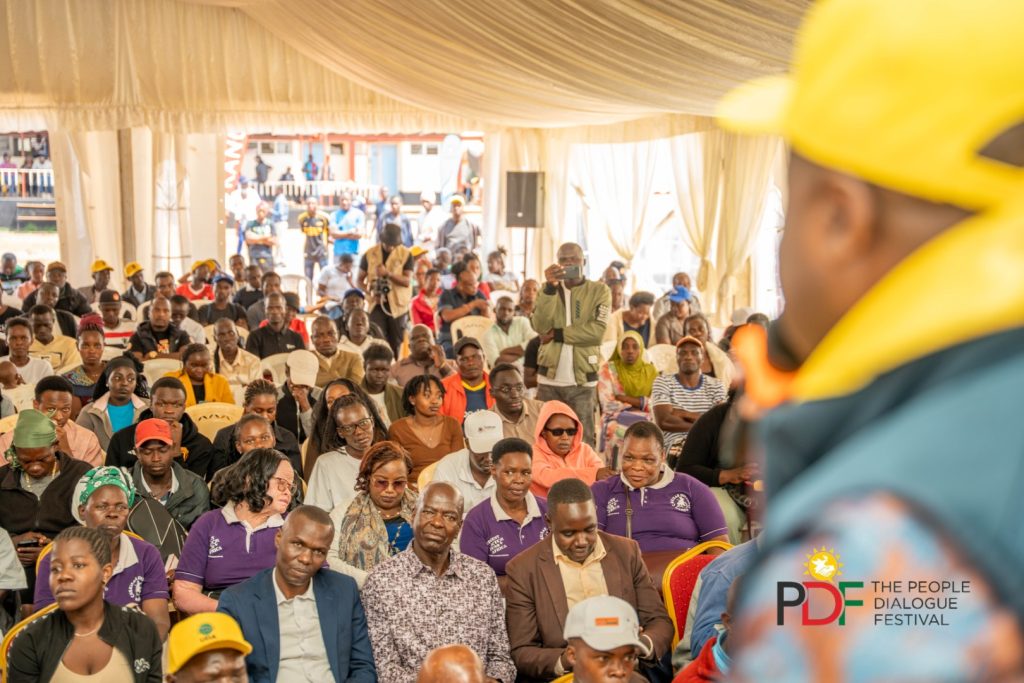
Recognising these realities, PDF adopted an inclusive town hall model that encouraged citizens to engage directly with leaders and institutions through open dialogue, shared experiences, and solution-oriented discussions. Instead of focusing solely on identifying problems, participants explored practical approaches to strengthening constitutional democracy through collaboration, accountability and collective action.
Building Safer Democratic Spaces
Throughout the discussions, one message remained clear: protecting women’s participation in politics requires protecting them both offline and online. As digital platforms continue to shape campaigns, public debate and civic engagement, addressing technology-facilitated violence has become essential to safeguarding constitutional rights, freedom of expression, and equal political participation. FIDA-Kenya emphasised that creating inclusive democratic spaces demands coordinated efforts from policymakers, justice institutions, civil society organisations, technology companies, political parties, and citizens themselves. The Kitale dialogue demonstrated that confronting technology-facilitated violence is no longer optional – it is fundamental to ensuring that every woman can participate in leadership, governance and elections without fear.
About People Dialogue Festival (PDF)
The PDF is a flagship initiative by theCentre for Multiparty Democracy (CMD-Kenya) bringing together leaders, citizens, youth, civil society, and the private sector engage in open and constructive dialogue on policy and democracy.
The Kitale PDF engagement formed part of activities supported under the Kenya Institutional Strengthening Program (KISP) grant funded by the UK in Kenya through ELGIA.
 Comms Team
  Comms Team